

No matter how many years pass in a foreign land, longing for home rarely fades. For the Turkish community in Germany, that homesickness is led by home-cooked meals made by mum, warm family tables, neighbourhood ties, the joy of freshly baked simit with tea, the magical mornings of religious holidays, the smell of the sea, the warmth of the sun, spontaneous conversations and that unique energy that belongs only to Turkey. For millions of Turks living abroad, these are not minor details — they are inseparable parts of their identity and roots.
TL;DR: More than 3 million people of Turkish origin live in Germany, and what they miss most is emotional rather than material: mum's cooking, holiday mornings, neighbourliness, tea & simit culture, Turkish hospitality and Turkey's unique energy. This article covers the top 10 things they miss, ways to cope with homesickness, tips for keeping Turkish cuisine alive, an efficient home-visit plan and how to pass culture on to children.
Quick Facts
| Topic | Detail |
|---|---|
| Turkish population in Germany | Estimated 3+ million |
| Top three most-missed things | Mum's home cooking, holiday atmosphere, tea & simit culture |
| Average annual home visits | 1–2 times (summer & religious holidays) |
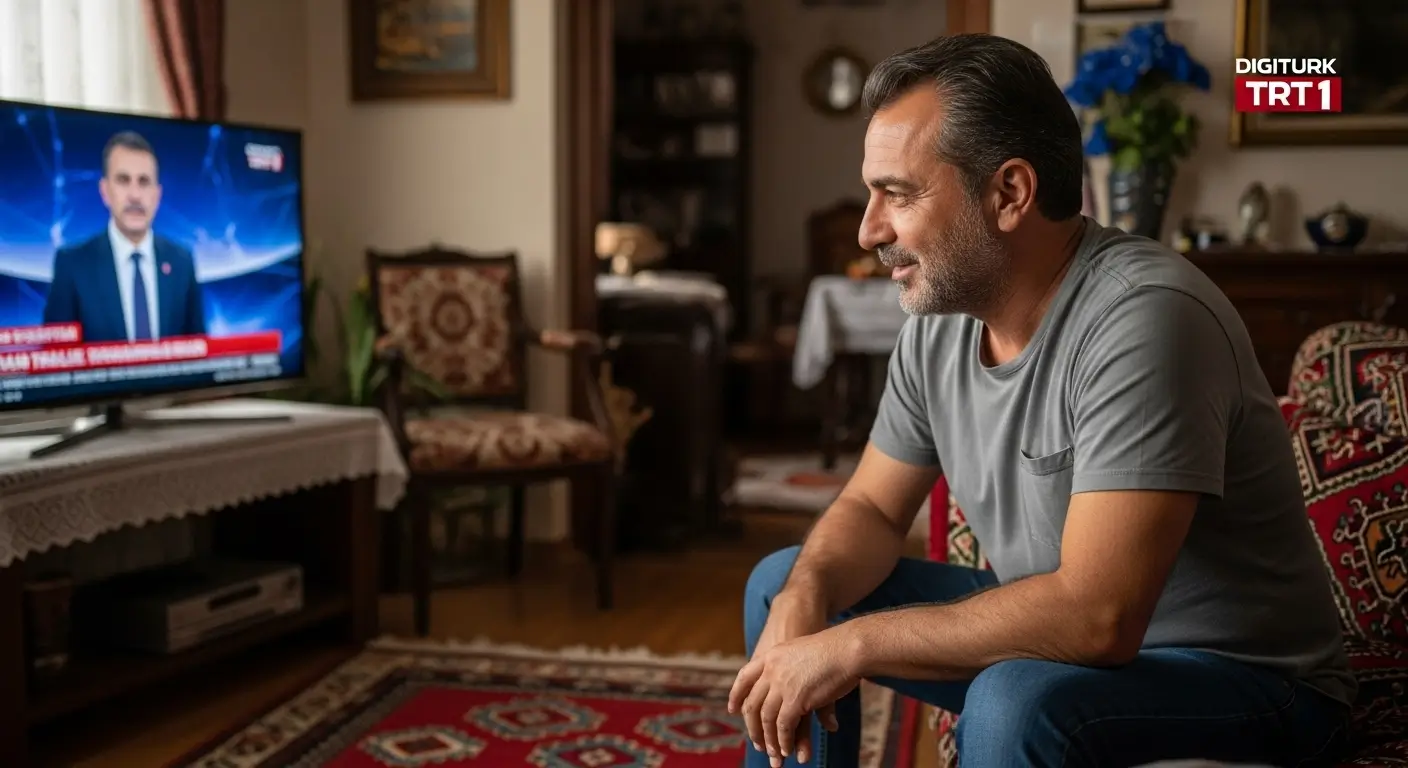
| Common coping methods | Turkish TV (Digiturk/beIN Connect), social media, community associations |
| Cultural transmission | Turkish mother-tongue lessons, weekend schools, associations |
| Popular Turkish foods in Germany | Döner, lahmacun, pide, mantı, künefe |
The 10 Things Turks Abroad Miss the Most
- Mum's home cooking: Stews, sarma, mantı and freshly baked börek — flavours no restaurant can fully recreate.
- Religious holiday mornings: The unique atmosphere of Eid, with relatives, sweets and freshly cleaned homes.
- Neighbourhood culture: Sharing food across the balcony, leaving the door unlocked, kids playing on the street.
- Freshly baked simit and tea: A simple combination that no European bakery has been able to replicate.
- The smell of the sea and the warmth of the sun: Especially missed during long, grey German winters.
- Family gatherings around the table: Long meals where conversation matters as much as food.
- Spontaneous social life: Unplanned visits, last-minute tea invitations, chats with strangers.
- Turkish hospitality: A culture in which a guest is never sent home without being offered something.
- The buzz of markets and shopkeepers: Bargaining and chatter at open-air markets, far from the sterile feel of supermarkets.
- The unique energy of Turkey: The pulse of busy streets and the warmth of people the moment you land.
How to Cope with Homesickness
While there is no cure for missing home, there are proven ways to soften the longing:
- Subscribing to Turkish TV channels (Digiturk, beIN Connect) to stay close to live football, news and series.
- Joining local Turkish associations, mosques and cultural clubs.
- Hosting regular video calls with relatives and friends back home.
- Cooking Turkish dishes at home, especially on weekends and holidays.
- Following Turkish content creators on social media for daily-life snippets.
Keeping Turkish Cuisine Alive in Germany
Cooking is one of the strongest emotional bridges to Turkey. From sarma and mantı to içli köfte, recipes passed down through generations turn German kitchens into pieces of home. Beyond the home, Turkish restaurants and bakeries across Germany — serving döner, lahmacun, pide and künefe — provide both a meeting point for the diaspora and a gateway for German society to discover Turkish gastronomy.
Making the Most of a Yearly Trip Home
Annual visits to Turkey are among the most precious times of the year, but a few days of planning go a long way. Many people return exhausted from non-stop relative visits. A simple schedule — grouping visits geographically, leaving a few days purely for rest, and reserving time for personal joys such as the seaside or a hometown café — turns the trip into a real recharge.
Passing Turkish Culture on to Children
For the second, third and now fourth generation, keeping cultural roots alive is a conscious effort. The most effective practices include:
- Speaking Turkish at home consistently.
- Reading Turkish books and watching Turkish children's content.
- Celebrating religious and national holidays as family events.
- Sending children to weekend Turkish-language classes when available.
- Planning regular summer trips to Turkey.
A Brief History of Turks in Germany
- 1961: The Labour Recruitment Agreement between Turkey and Germany triggers the first migration wave.
- 1973: West Germany halts the recruitment of foreign workers; family reunification becomes the main channel.
- 1980s–1990s: The second and third generations are born; Turkish associations, mosques and weekend schools spread.
- 2000s: Dual citizenship debates and integration policies move to the centre.
- Today: More than 3 million people of Turkish origin live in Germany; the fourth generation is now growing up.
Frequently Asked Questions (FAQ)
How many Turks live in Germany?
According to official estimates, more than 3 million people of Turkish origin live in Germany, forming one of the country's largest immigrant communities.
What do Turks in Germany miss the most?
Surveys and community observations point to home-cooked meals, religious holiday mornings, neighbourly relationships and Turkish hospitality at the top of the list.
How can homesickness be managed?
Common methods include watching Turkish TV (Digiturk, beIN Connect), taking part in community events, regular video calls with family and cooking Turkish meals at home.
Where can Turkish food be found in Germany?
Turkish supermarkets, bakeries and restaurants are widespread in cities such as Berlin, Cologne, Frankfurt, Munich and Stuttgart. Döner, lahmacun, pide and mantı are the most easily accessible.
How can Turkish culture be passed on to children?
Speaking Turkish at home, reading Turkish books, watching Turkish content, celebrating holidays and visiting Turkey regularly in the summer are the most effective steps.
How often should one visit Turkey?
For most families, one or two visits per year work best — typically a long summer holiday and a shorter religious-holiday trip.
Sources & References
- German Federal Statistical Office (Statistisches Bundesamt) — migrant population data
- Republic of Türkiye Ministry of Foreign Affairs — reports on citizens abroad
- Yunus Emre Institute — cultural activity bulletins
- Public data from Turkish associations and federations in Germany
- Academic literature on Turkish diaspora (Schiffauer, Kaya and others)
Compiled by our editorial team, which closely follows the Turkish diaspora. Last updated: May 2026.





Do Comment